
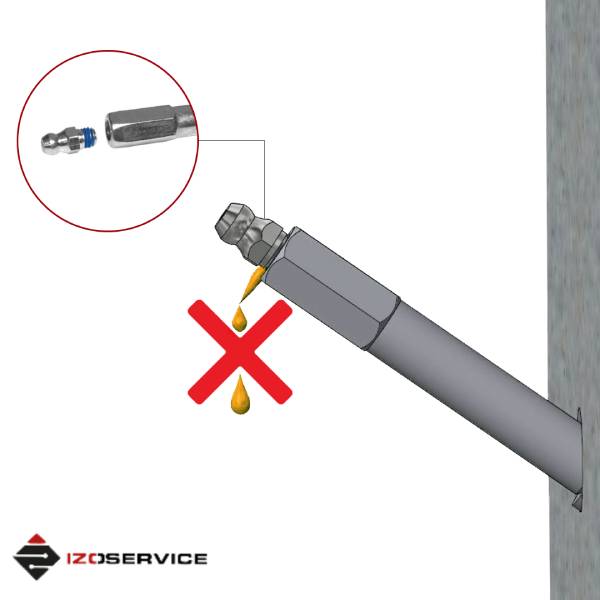
Curtain injection and structural
Curtain injection and structural injections are trenchless, advanced technologies for restoring or repairing the waterproofing of buildings. It is used in situations where traditional excavation of foundations from the outside is impossible, uneconomical, or hindered by dense urban development. When performed correctly, this procedure effectively protects the underground parts of buildings, basements, tunnels, and shafts from moisture and groundwater from inside the structure.
What are curtain injections and structural injections?
These methods involve injecting sealing materials into the structure of the partition (structural injections) or directly behind it, into the surrounding soil (curtain injection), without the need for earthwork.
The main reasons for using these methods:
Absence of original vertical or horizontal waterproofing, natural deterioration of existing protective measures, inability to excavate externally, persistent moisture in the partitions, and capillary rise of water in the walls.
Classification of technologies based on their nature:
Depending on where the material is applied and how the structure is sealed, we distinguish between:
-
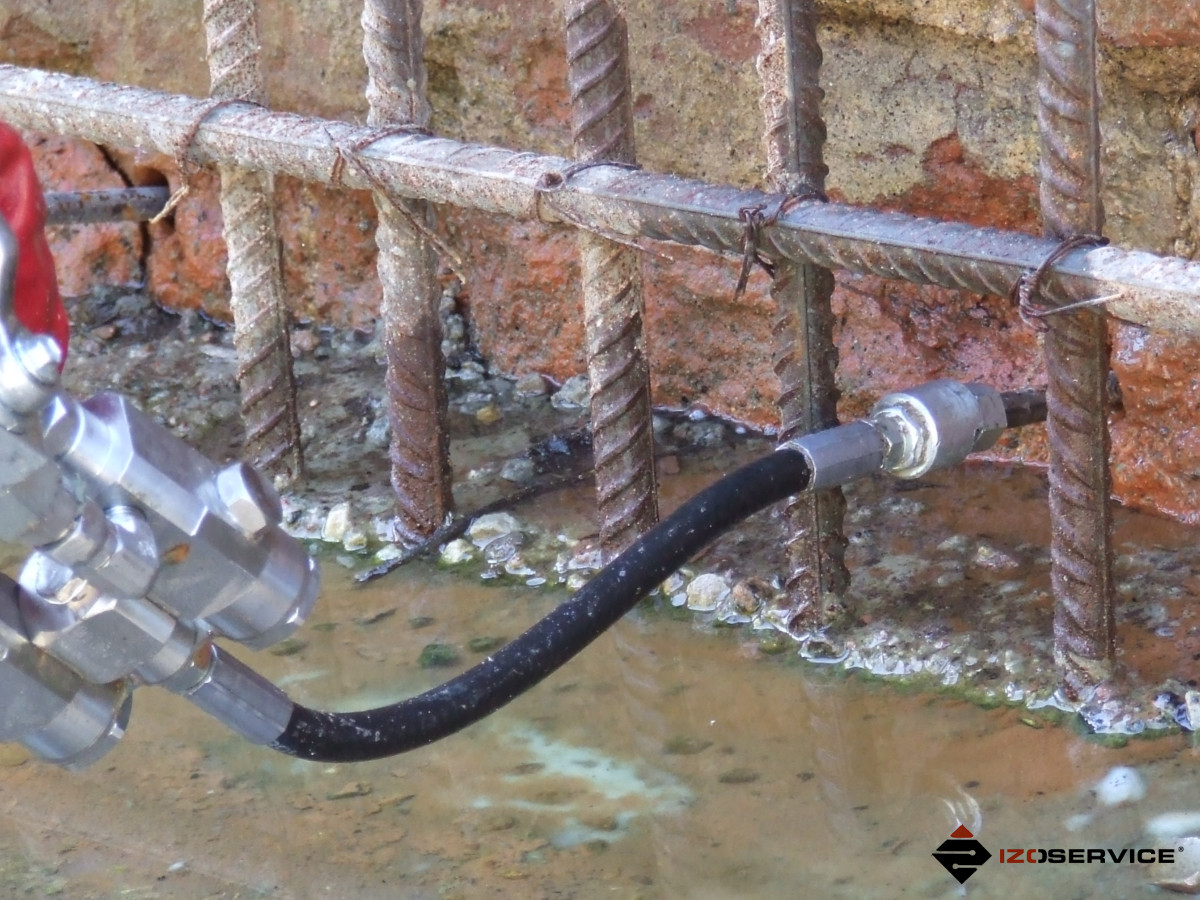
Curtain injection —involves drilling a grid of through-holes in a wall or floor and injecting material into the ground, where it forms a continuous, external curtain (barrier) that keeps water away from the structure.
-
Structural injections (volume injection) – involves densely saturating the interior of the building material itself (e.g., porous concrete or brick), which blocks the pores, completely displaces moisture, and fully seals the partition.
Important: Accurate assessment of the material’s technical condition and porosity is essential for selecting the appropriate technology, drilling geometry, and injection pressure parameters.
Selection of grouting materials
In curtain and structural technologies, low viscosity and high penetration are key, which is why specific binders are used:
-
Acrylic gels: Most commonly used for curtain injection and structural sealing; due to their water-like viscosity, they bond exceptionally well with the soil and form a highly flexible, durable membrane resistant to groundwater.
-
Silicates, creams, and silicone microemulsions: Commonly used for structural capillary injection in masonry to create a horizontal barrier that effectively blocks the upward movement of moisture in the building.

Related articles
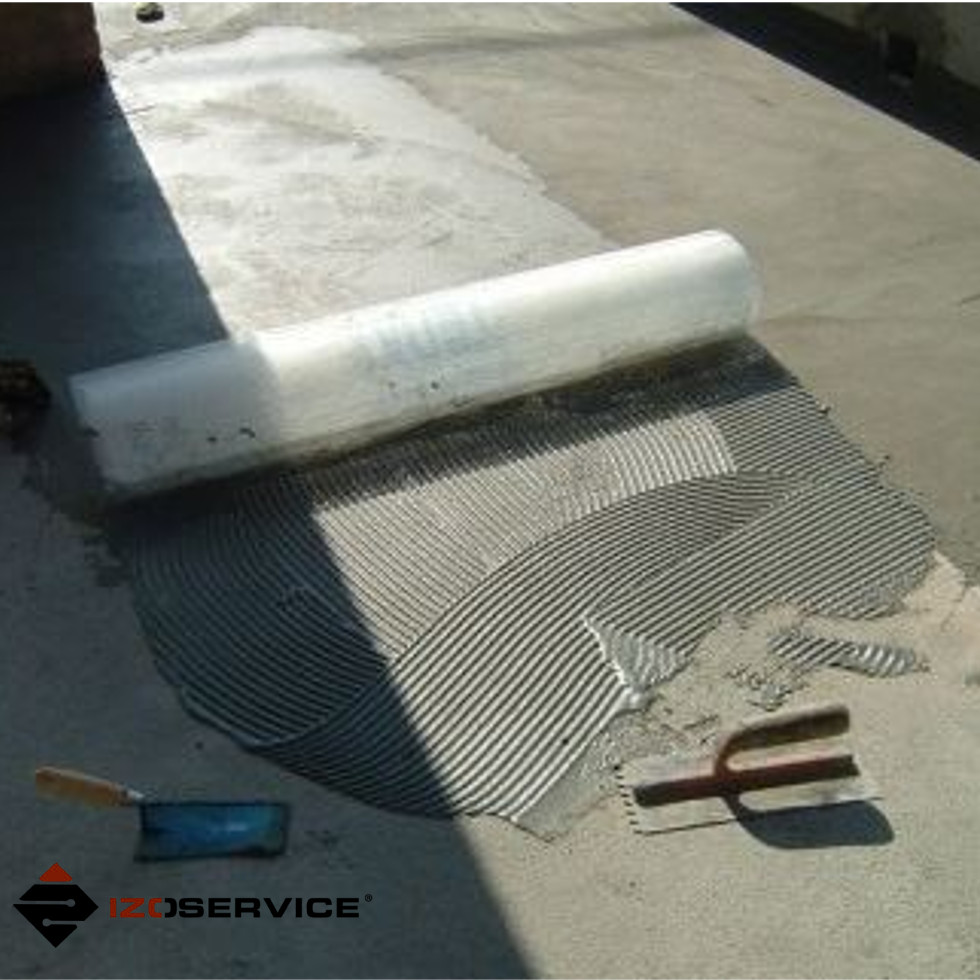
Single-component mineral insulations
The properties of sealing mineral mortars allow their wide use… Read moreRelated videos
Steel packers IZOPRESS – Packer diameters
Steel packers IZOPRESS – Curtain packer
Steel packers IZOPRESS – Injection nipple types and connections
Two-component pump for injection DESOI AirPower S25 -3C VA
Injections 2.0 – Revolutionary DESOI AirPower M35-3C pump w.i.l.m.a
IZOPRESS PRO 2K-25 – professional injection pump
OUR Customers Projects


Recommended products
CATALOGUE NR 06163
IZOPRESS Pro 2K-25 - two-component piston pump
CATALOGUE NR 06163
IZOPRESS Pro 2K-25 - two-component piston pump
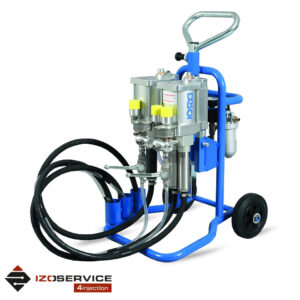
CATALOGUE NR 06101
DESOI AirPower S25-3C VA Two-component pump
CATALOGUE NR 06101
DESOI AirPower S25-3C VA Two-component pump
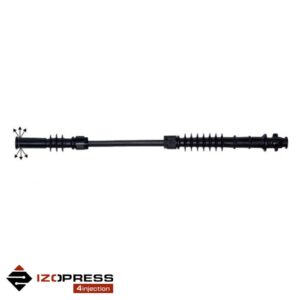
CATALOGUE NR 03049
IZOPRESS Paker for curtain injection
CATALOGUE NR 03049
IZOPRESS Paker for curtain injection
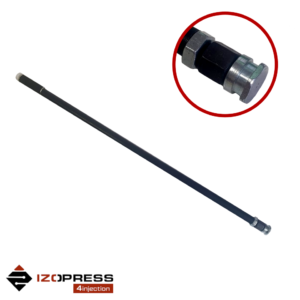
CATALOGUE NR 01996KP
IZOPRESS 13/600 mm steel packer with a pan head nipple
CATALOGUE NR 01996KP
IZOPRESS 13/600 mm steel packer with a pan head nipple
CONSULTING technical
Please provide us with the details of your project using the form below, and our experts will assist you every step of the way.
How can we help you?
- Selection of appropriate pumps and packers.
- Selecting the right injection materials and resins.
- Determining the optimal method for sealing or repairing.
Call us or fill out the form—we’ll get back to you as soon as possible!