
Expansion joint injection and construction joints
Expansion joint injection and construction joint injections are technologies used to seal critical gaps in building structures. They are applied in areas where the original waterproofing systems have failed (e.g., in basements, tunnels, or parking garages). When performed correctly, this procedure effectively stops leaks and restores the structure’s full watertight integrity for the long term.
What are expansion joints and construction joints?
These are gaps in the structure of a building that are either intentionally designed or result from the concrete pouring process; due to their specific nature, they are most susceptible to water infiltration.
The main causes of leakages:
Aging or damage to sealing strips, construction errors during concrete pouring, contamination of joints, structural movement, and high groundwater pressure.
Classification of sealed elements based on their nature:
Depending on their function within the structure, we distinguish between static working joints (construction joints) and dynamic expansion joints (which allow the structure to move). Proper identification of the nature of the gap is a key factor in selecting the appropriate technology and the flexibility of the injection material.
Selection of grouting materials
In joint sealing technology, specialized, flexible sealants are used, selected based on the dynamics of the joint:
- Acrylic gels: Most commonly used for sealing active expansion joints and for curtain injection, due to their excellent penetration, flexibility, and resistance to moisture cycles.
- Polyurethane resins: Commonly used for quickly stopping severe water leaks (foaming formulations) and for providing a durable, flexible solution for sealing construction joints.

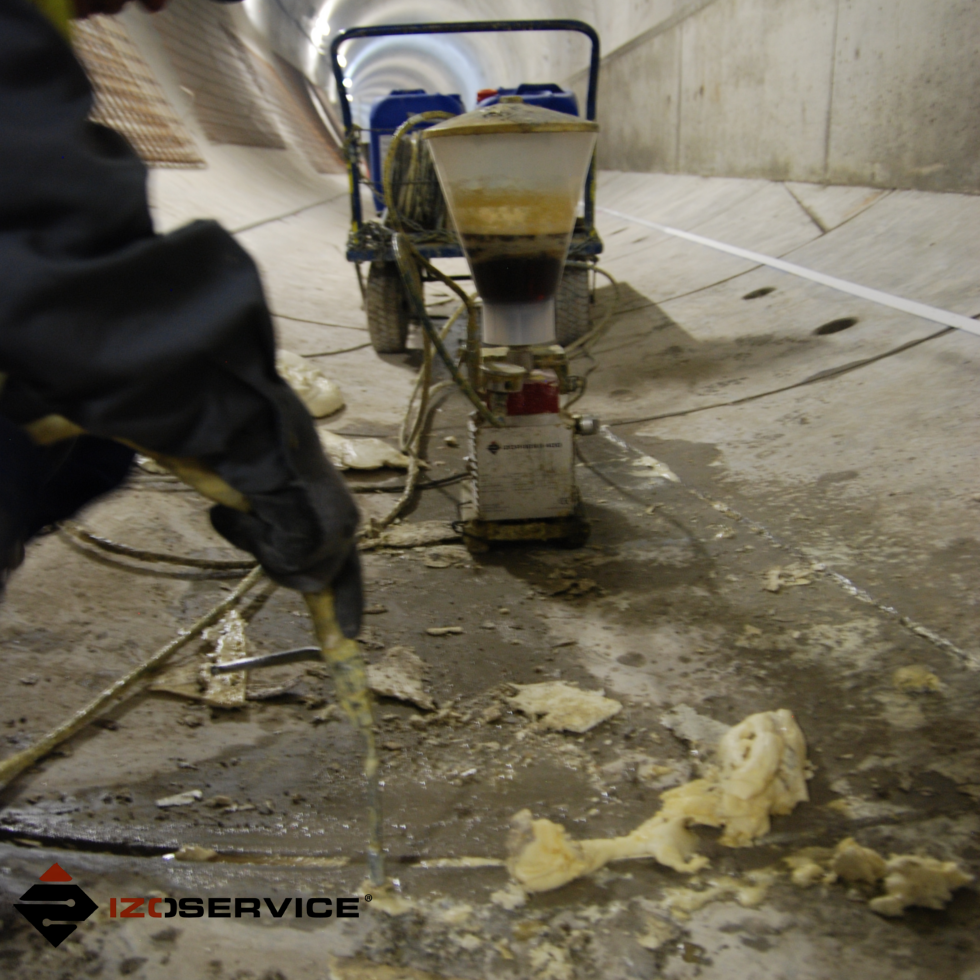
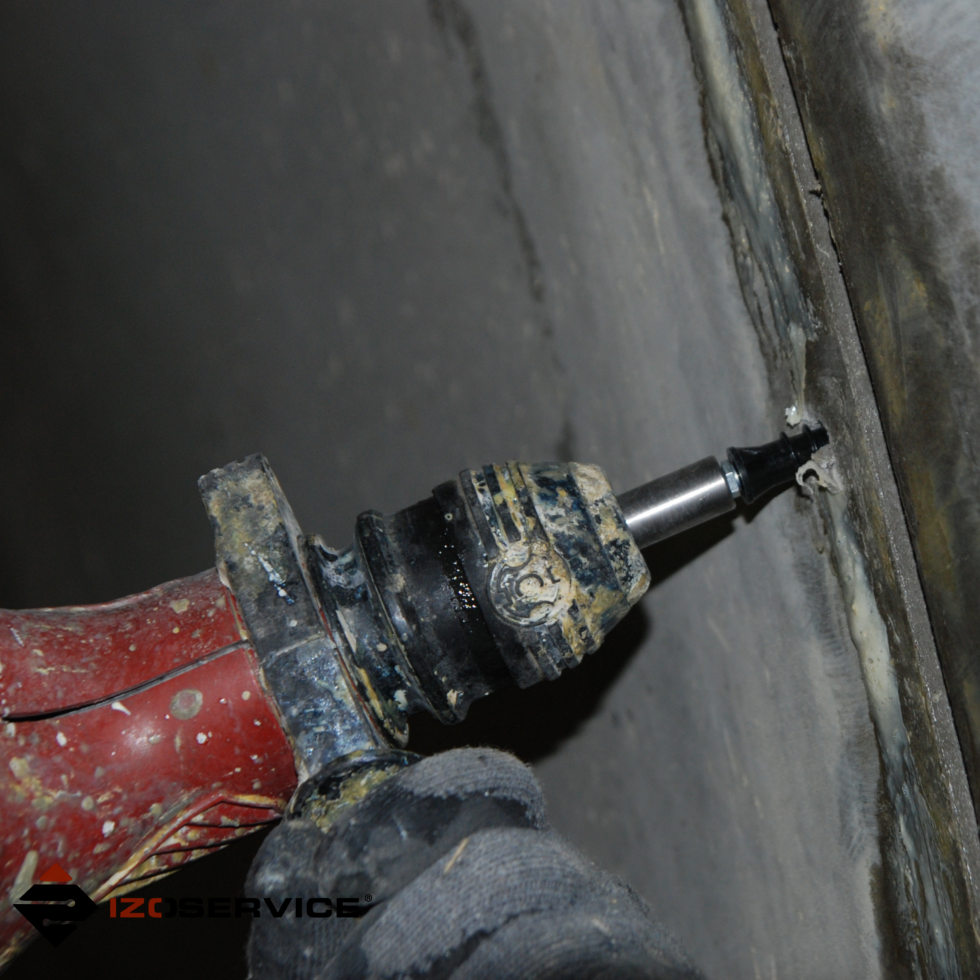
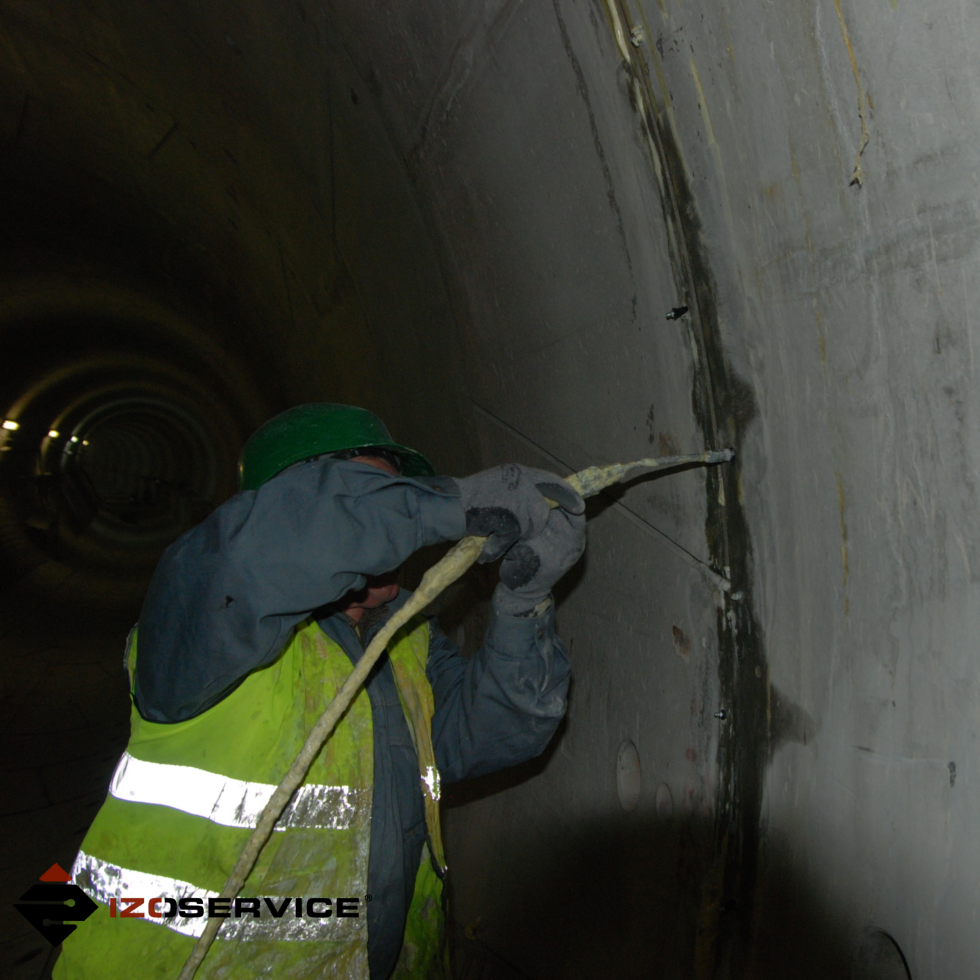
OUR Customers Projects


Recommended products
CATALOGUE NR 06004
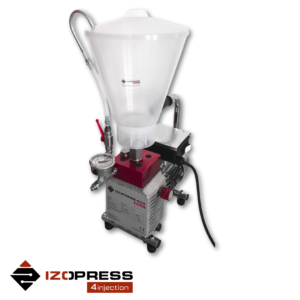
IZOPRESS 400 Diaphragm pump for injection
CATALOGUE NR 06004
IZOPRESS 400 Diaphragm pump for injection

CATALOGUE NR 06164
IZOPRESS Pro 1K-33 Pneumatic Piston pump on a trolley for resin injection
CATALOGUE NR 06164
IZOPRESS Pro 1K-33 Pneumatic Piston pump on a trolley for resin injection
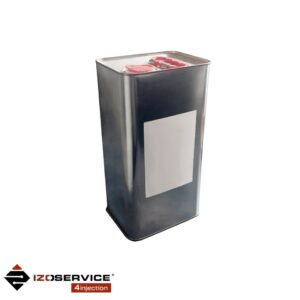
CATALOGUE NR 12032
Webac 155 Polyurethane Resin - 10.6 kg
CATALOGUE NR 12032
Webac 155 Polyurethane Resin - 10.6 kg
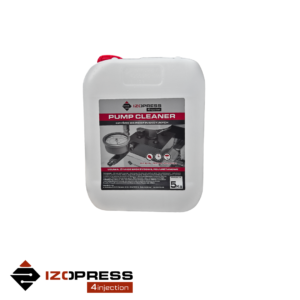
CATALOGUE NR 12061
IZOPRESS Pump Cleaner - Injection Pump Cleaner, 5 kg
CATALOGUE NR 12061
IZOPRESS Pump Cleaner - Injection Pump Cleaner, 5 kg
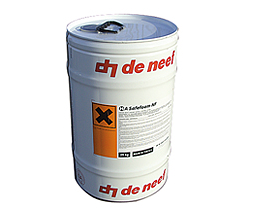
CATALOGUE NR 12110
HA Safefoam NF polyurethane resin 25 kg
CATALOGUE NR 12110
HA Safefoam NF polyurethane resin 25 kg
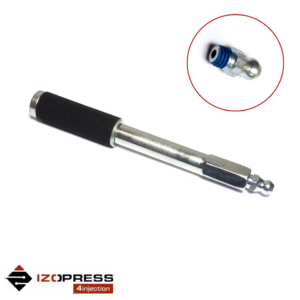
CATALOGUE NR 01664KS
IZOPRESS 13/110 mm steel packer with a round head nipple
CATALOGUE NR 01664KS
IZOPRESS 13/110 mm steel packer with a round head nipple
CONSULTING technical
Please provide us with the details of your project using the form below, and our experts will assist you every step of the way.
How can we help you?
- Selection of appropriate pumps and packers.
- Selecting the right injection materials and resins.
- Determining the optimal method for sealing or repairing.
Call us or fill out the form—we’ll get back to you as soon as possible!